Frequently Asked Questions
1
How do I know if my building needs restoration?
Unless you are a trained structural engineer or a building has obvious deficiencies, it may be difficult to determine if a building is in need of restoration or structural repairs. The severity of a building's deficiencies depends on a variety of factors such as construction type, materials used, original construction standards, age, and geographical location.
Restoration should be part of a building's routine maintenance schedule. If the building is more than 20 years old and has not had a restoration project within the past couple of years, it is likely that some level of restoration work is needed. Restoration is a process that will be required for the building's life and proper upkeep will minimize long-term expense.
2
What do I look for to know if my building has problems?
Some structural defects indicating that restoration or repairs are necessary will be obvious. Cracks in concrete, rust bleeds, and/or deterioration of structural members, and other similar defects can be seen by just about anyone. Some defects are not so obvious, however, and require a trained eye to identify. To avoid potential defects from being missed, it is recommended (and now required for some buildings) that recurring inspections are performed to monitor a building's structural condition as it ages.
3
What can structural defects look like?


Common Deficiencies
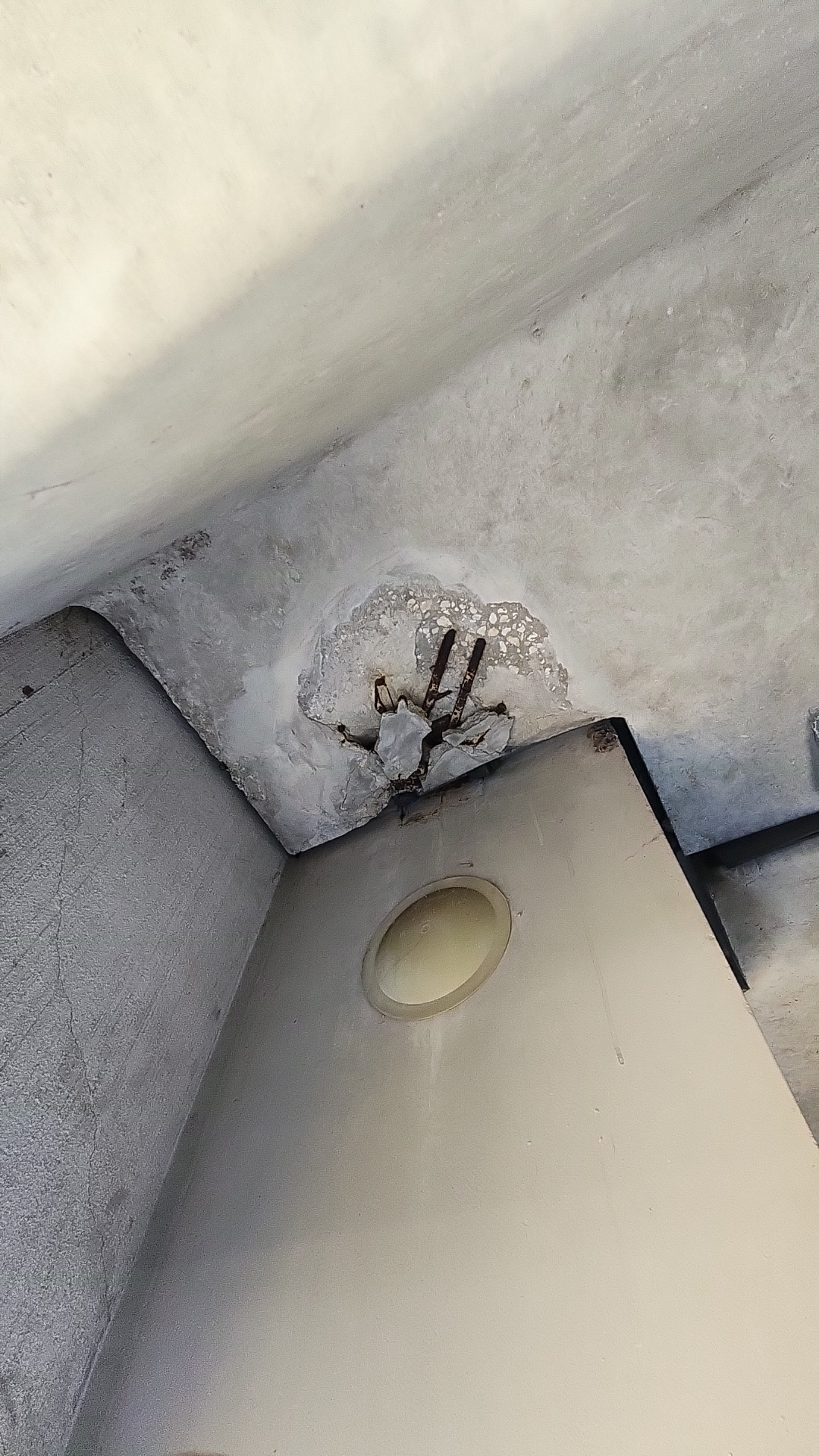
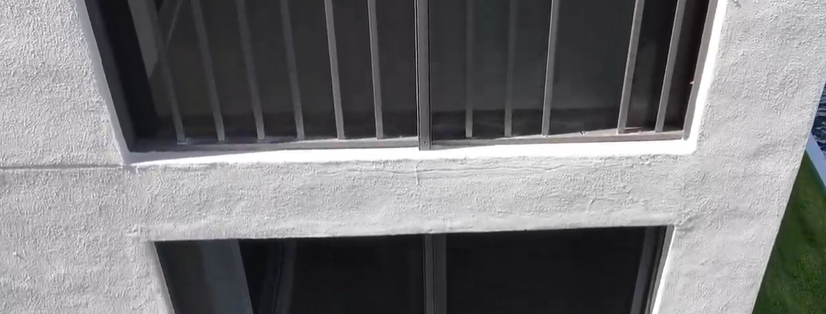
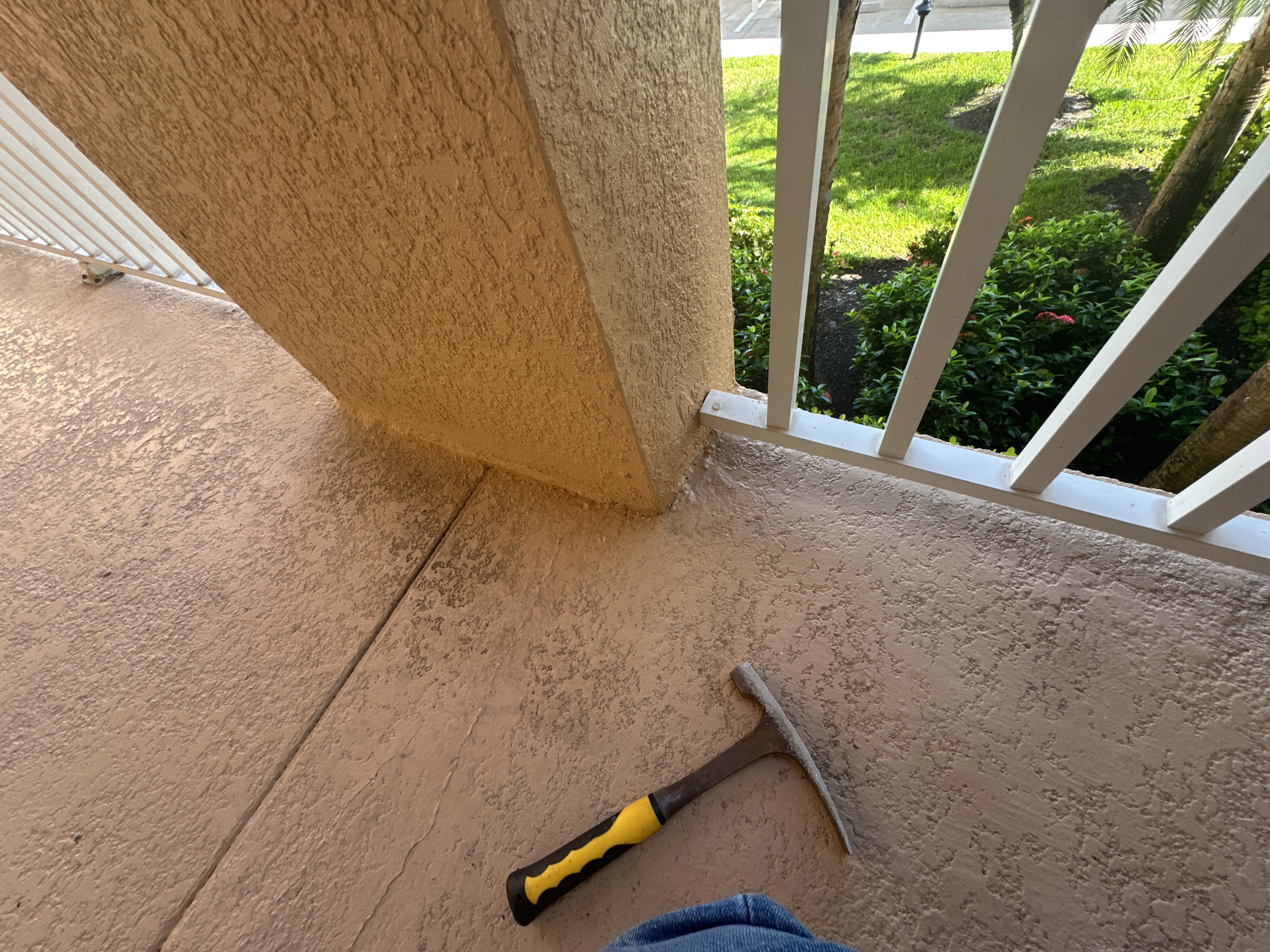
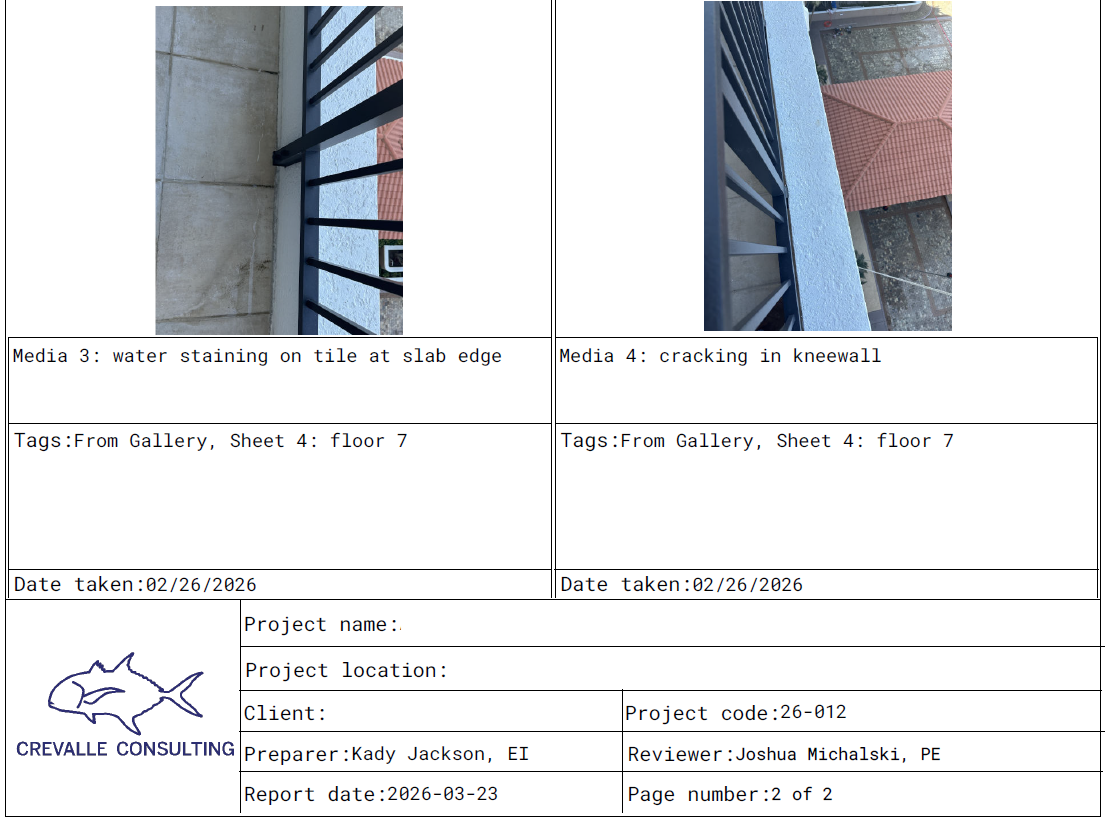
Structural defects can show themselves in various ways including but not limited to rust bleeds, cracks, spalls, and deterioration of steel. Scroll through the pictures below to see some examples of common deficiencies including deteriorated steel columns and concrete spalls on slab edges, beams, and columns.
4
What is included in my initial structural evaluation?


5
We just had work done a few years ago. Why are there more problems already?
Restoration is an ongoing process that should be considered routine maintenance. When repairs are made, there are often additional defects that were not yet identifiable and may not have presented themselves. In some cases, previous repairs could've been inadequate or improper and worsened existing conditions.
6
Who should I hire to make the repairs?
Restoration projects are often more complex than new construction. After a building analysis by a structural engineer, a Florida-licensed, local general contractor with expertise in restoration should be hired to perform the work. As part of the design and construction administration process, the structural engineer will often create "bid documents" and can recommend qualified contractors to bid the project and complete the work.
7
What does the process after my structural evaluation typically entail?
After your structural evaluation and if contracted with you, Crevalle will work with you to develop a scope of work that works for your budget, needs, and concerns while also addressing the structural deficiencies requiring repair. Once a scope of work is established, a bid package will be created that includes a quantified schedule of values addressing the required repairs, as well as repair details, specifications, and plans. The bid package will be sent to three to four qualified contractors and an on-site pre-bid meeting will be held by Crevalle to answer the contractors' questions and concerns. After the contractor's bids are received, Crevalle will meet with you to compare the pricing, and aid in selecting the contractor that best fits your property, project, and needs. Crevalle will then supply permit plans that the contractor will use to apply for the necessary permits and help you review your contract with the selected contractor. After the necessary permits are obtained and construction begins, Crevalle is available to provide construction administration that includes regular inspections to confirm accordance with permit plans, as well as measuring repair quantities and reviewing pay applications to ensure proper contractor billings.
8
How will the concrete repairs on my building progress?


Typical Concrete Restoration Process
After Crevalle has determined deficiencies that require repair, the necessary permits have been obtained, and the contractor has mobilized the site, the repair areas will be field marked for concrete removal. At the discretion of Crevalle, post shores will be installed to support the structural elements during the repair. During the concrete removal process, concrete will be removed until clean, non-deteriorated steel is found. The diameter of the exposed steel will be checked to ensure it has not lost more than 20% of its original cross section. Supplemental steel will be installed if necessary, and the reinforcement will be mechanically cleaned to bright steel and coated with a corrosion-inhibiting bonding agent. Following a passing pre-pour inspection from Crevalle, the repair area will be approved for placement of repair mortar. After the repair mortar has cured, the post shores will be removed at the discretion of Crevalle, and the area will be painted and/or stuccoed to match the pre-construction conditions as best as possible.